As a business owner, you want your website to generate more traffic from search engines. Correct? To do so, you must know the following search engine optimisation (SEO) strategies: 1. Appropriate keywords Google Keyword Planner and SEMrush are your pride and joy, click here to better understand how to use these tools. They can be used to find new keywords with a high search volume with little competition . Include these in title tags, URL and descriptions that appropriately represent your website's content. 2. High-quality content Focus on writing engaging and trending content. This attracts search engine attention and encourages other websites to link to yours. When it comes to content, size does matter. Consider going deep and meaningful, as long-form content is frequently preferred in search rankings. 3. Internal link structure Linking pages on your website improves the user experience and allows search engines to quickly understand its structure. T...
Get link
Facebook
X
Pinterest
Email
Other Apps
The Real Challenges of Big Data
Welcome back! This week’s post will be about BIG DATA and its potential ethical and social challenges.
What is bigdata?
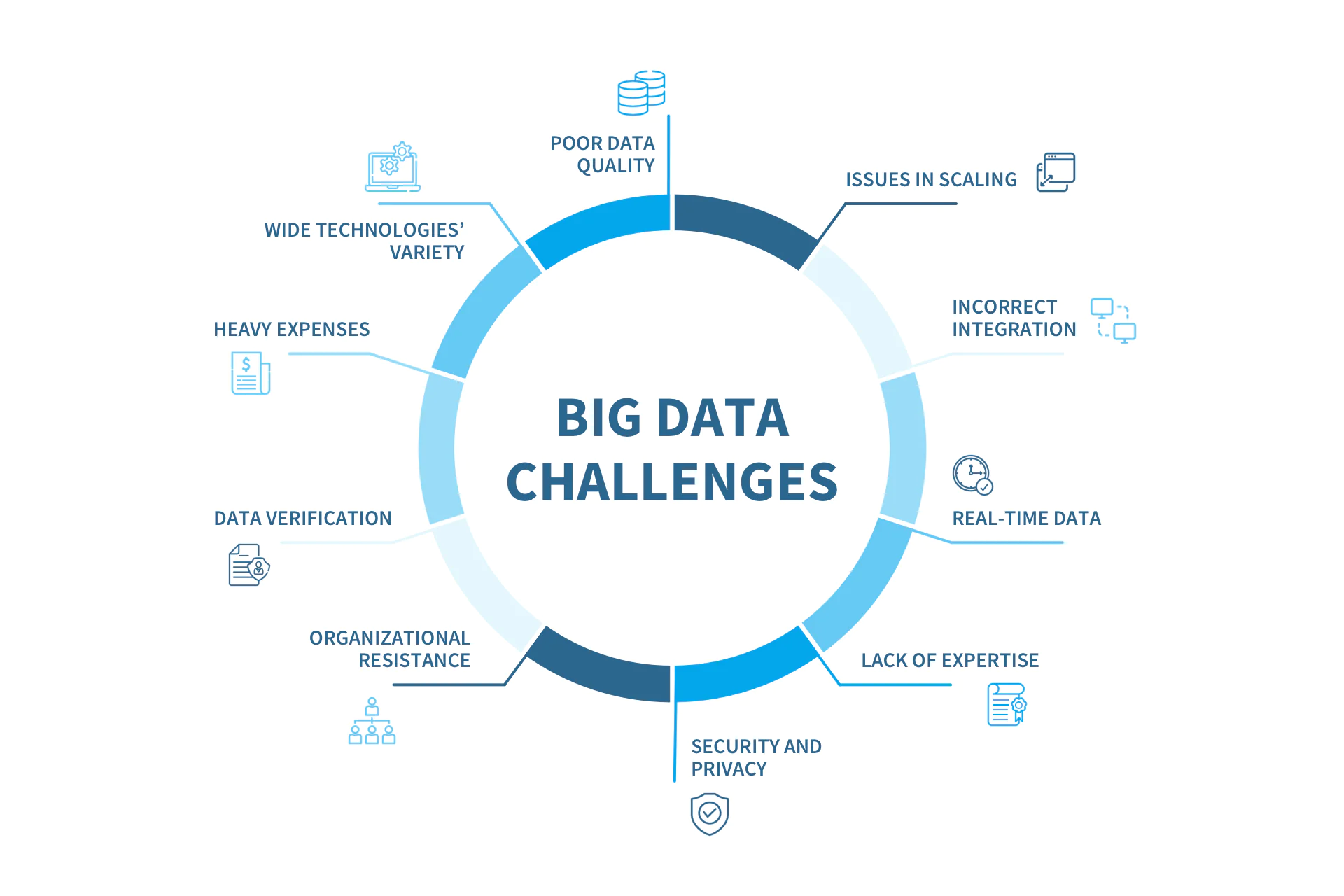
There is no set-in-stone definition of big data, but we will define it as a vast and intricate set of information that cannot be managed, processed, or analysed using traditional methods. Big data offers numerous benefits to society, but it also presents ethical and social challenges, as shown in the graph below, that must be addressed.
Big Data Challenges
Privacy and data security concerns
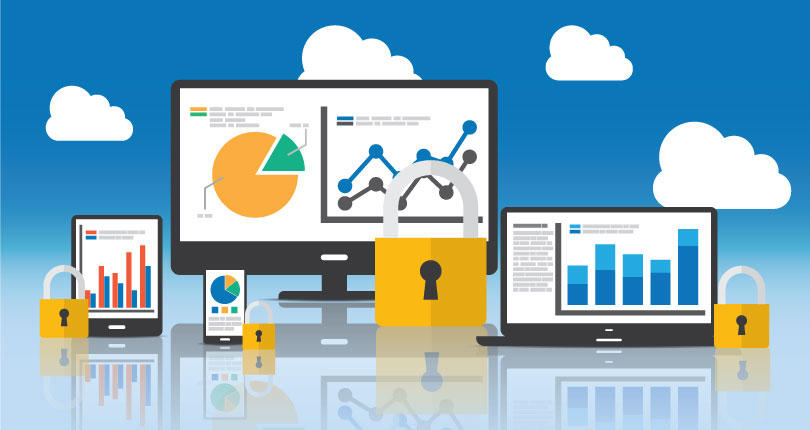
Big data offers significant privacy and security challenges. It raises the risk of data breaches and unauthorised access, which may lead to privacy concerns.
Big Data security concerns
Some people call data the new oil, as it is a valuable commodity traded by companies to fuel AI systems (Awad, 2023). I know, it's scary thinking we authorise this without even realising it when we click "accept cookies". Please watch this short video about cookies!
Being compliant with data security regulations, encryption, and consent is important to reduce the risk of data leaks, and this is why organisations need to put in place strong data governance and security measures.
Bias, Discrimination, and the Digital Divide
Digital Divide
Have you ever heard of this? because I have not before doing this research. The digital divide is a real problem involving bias and discrimination based on social criteria like age, gender, race, income, and education (see Digital Divide). The most significant legal measures to reduce the danger of discrimination are implementing non-discrimination and data protection laws. If these measures are adequately enforced, they will help fight illegal discrimination, or at least we hope they will.
Data Accuracy
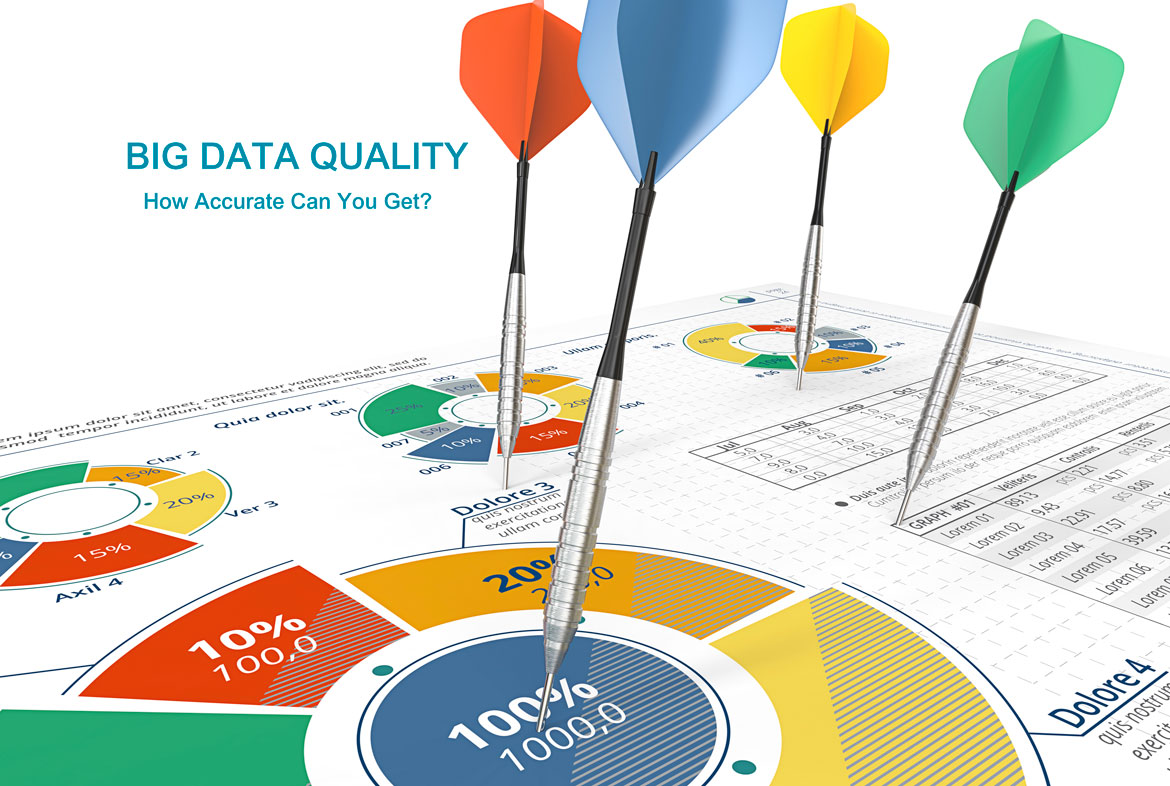
Many people think that the accuracy of the data improves with increasing its quantity, which is unfortunately not correct. Big data is typically recorded in low-level detail, and when these values are only approximations, we inevitably lose their precision (see Data Accuracy). This could then result in disorganised and imprecise information, which makes us wonder how accurate and transparent this data really is. Just think of how easy it is to distort a message gone around when playingbroken telephone or Chinese whispers.
Big Data Accuracy
Government Use
The government uses big data to monitor public health, track and respond to epidemics, and predict crime patterns, among other things. As such, people are concerned that its collection may violate their rights (Nimda, 2022). Finding the ideal balance between privacy and security is a difficult problem the government is still facing; no wonder why.
Environmental Impact
Big data can aid in tackling climate change, but data collection and storage are becoming evident as contributing factors to the issue, as a lot of energy is required. The energy usage of data centres in the EU may reach 3.21% of the overall electricity demand by 2030 (see Carbon Impact of Big Data); therefore, companies should focus on planning ahead and merely gathering data when needed.
Thank you for making it this far down!
Question for you!
What do you personally think about Big Data, is it dangerous or can companies use this without a worry?? Feel free to leave a comment down below.
Also can I please ask you to share this blog with your BIG DATA enthusiastic friends or someone unfamiliar with this topic!
Hopefully, you will now think twice before giving away your data!




Wow, great explanation of Big Data !!
ReplyDeleteVery fascinating!
ReplyDeleteVery topical area. Well communicated!
ReplyDeleteThis is so informative Martina!
ReplyDeleteSuch a massive topic at the moment !!
ReplyDeleteSome of these I hadn't heard of before, really insightful tips thanks!
ReplyDeleteGreat tips!
ReplyDeleteThank you all, keep sharing your opinions!!
ReplyDeleteImportant discussion !
ReplyDelete